
Kosher in the Countryside?
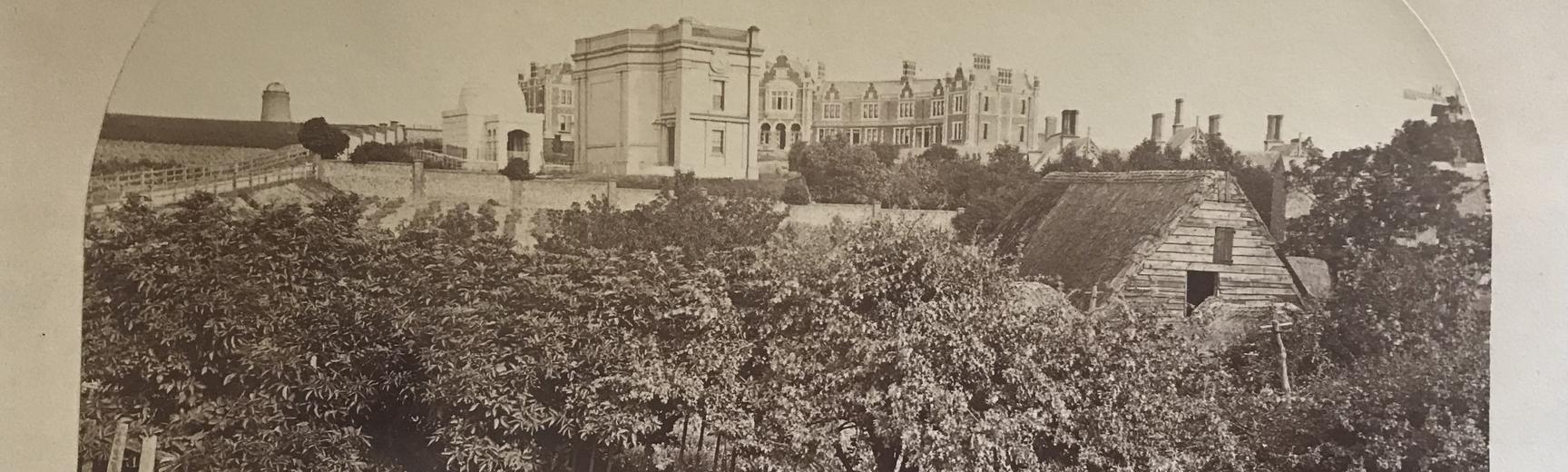
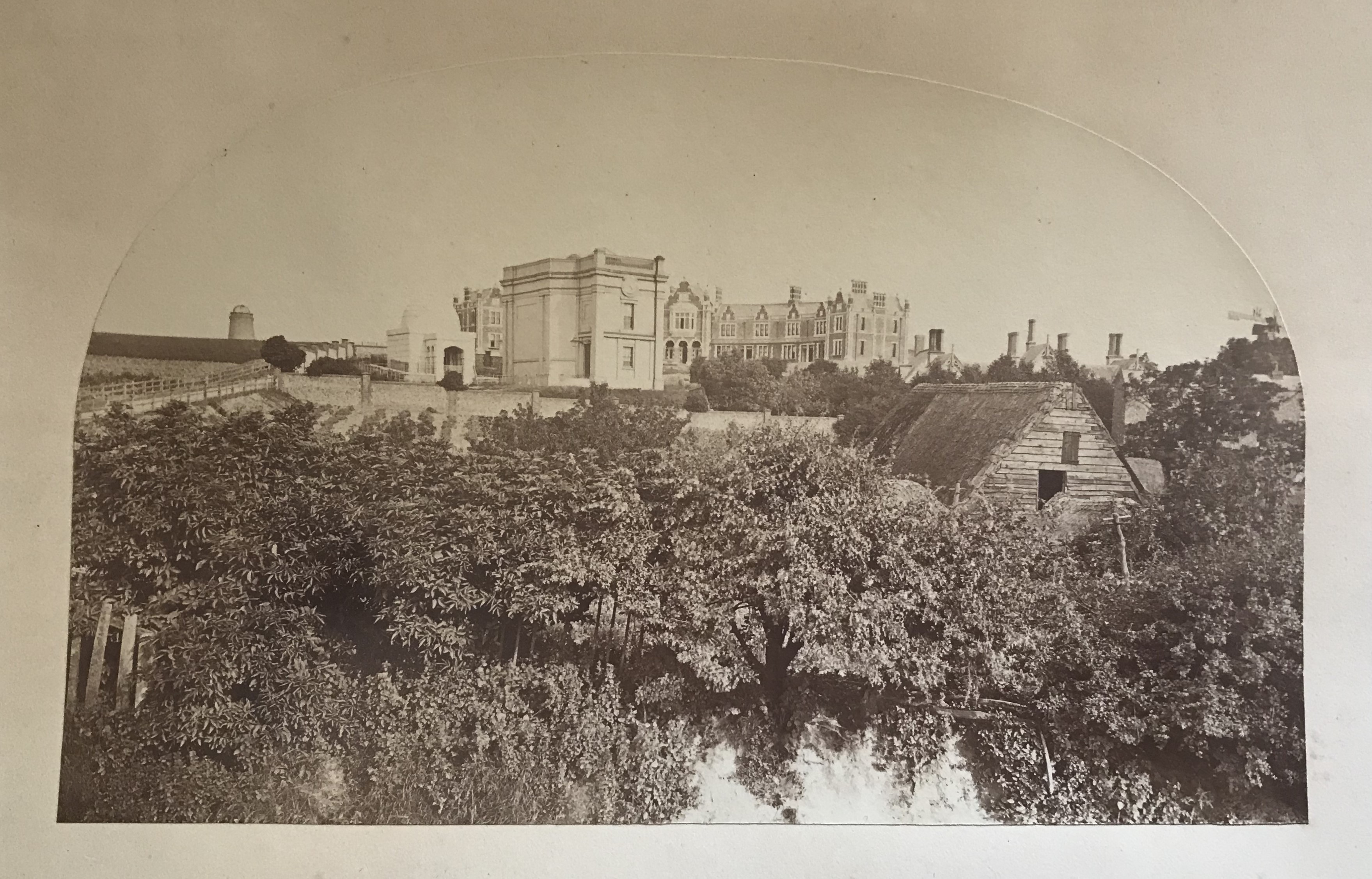
In 1833, Moses Montefiore built a private synagogue near his home outside Ramsgate. He later added a mausoleum and a rabbinical college (above), where Jewish scholars could live, study and pray together. Photo: Courtesy of the Salomons Museum
Few families built private synagogues, but private prayer rooms were more common.
The Rothschilds celebrated New Year and the Day of Atonement at Gunnersbury Park, because they could be less observant here than in London.
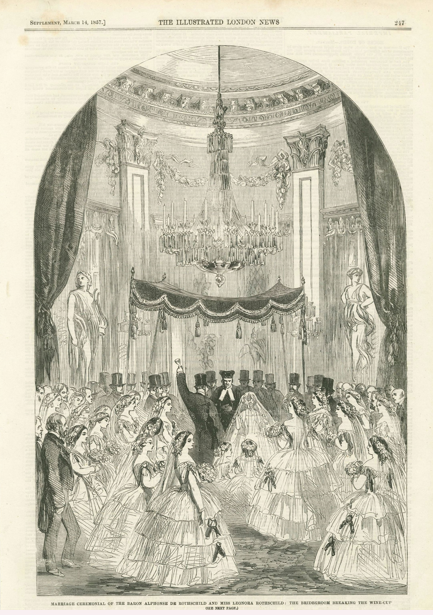
(Left) Marriage Ceremonial of the Baron Alphonse de Rothschild and Miss Leonora Rothschild: the Bridegroom Breaking the Wine Cup. Their wedding at Gunnersbury Park in 1857 was the social event of the season.
Lowcountry Digital Library, College of Charleston Libraries, 1857.
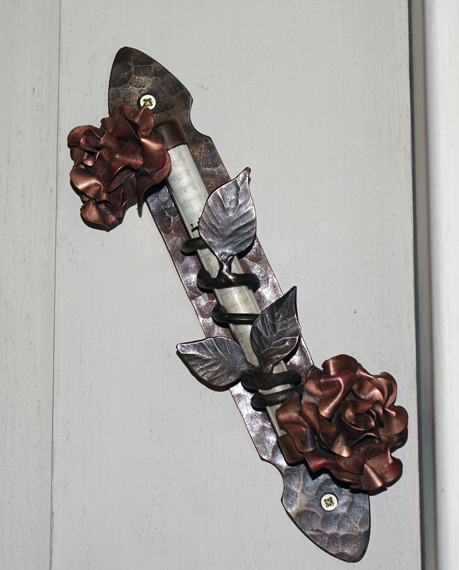
Mezuzah, 2019, Waddesdon Manor (Rothschild Foundation). A mezuzah is traditionally affixed at the entrance of a Jewish home, and each interior room. It contains two passages from the Torah. The mezuzah distinguishes a Jewish home, and is a visible sign of Jewish identity.
Photo: Waddesdon Image Library.
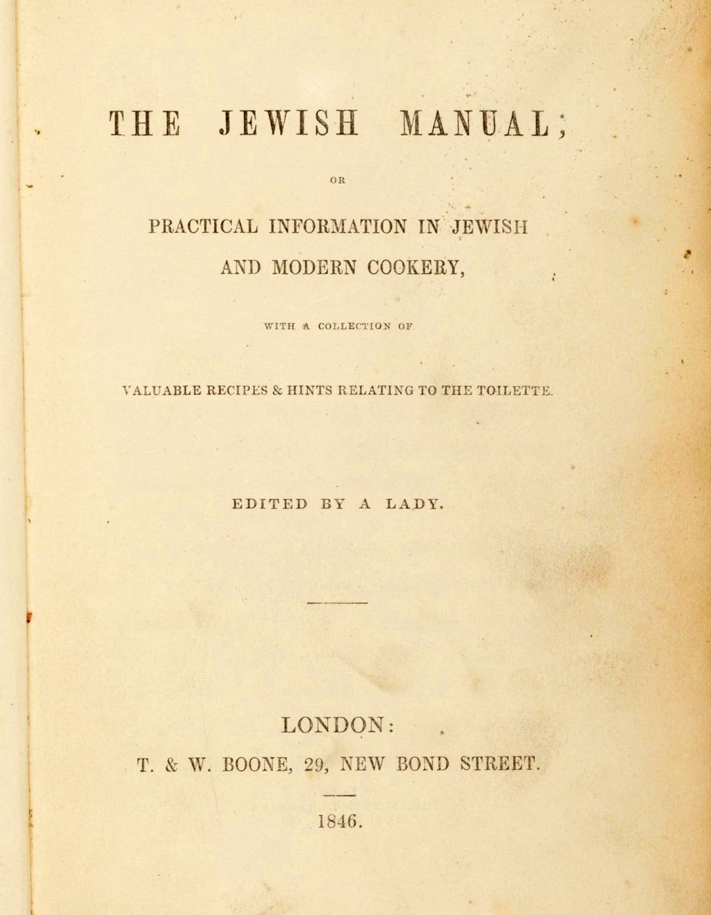
The Jewish Manual (1846) was the first Jewish cookbook in English. It was compiled by Lady Judith Montefiore with help from her social circle. She wanted to show that a kosher home, where the household observed Jewish food laws and other rituals, could also be refined, respectable – and English.
Library of Congress, Rare Book and Special Collections Division

